
PALM BEACH GARDENS | For years in his former position in the Diocese of Brooklyn, Bishop Manuel de Jesús Rodríguez directed the adjudication of cases involving sexual abuse and misconduct involving minors and vulnerable adults. He understands why the Catholic Church must remain vigilant, ensuring the safety of all.
“I have a very detailed idea of what the church has in place in its norms in terms of the treatment of offenses of sexual abuse and any kind of sexual misconduct that can affect minors, vulnerable persons or adults,” he told the Florida Catholic. In April, which is National Child Abuse Prevention Month, the Diocese of Palm Beach highlights its efforts to maintain safe environments in parishes, schools and other church entities.
Bishop Rodríguez is a canon lawyer, meaning he was educated to specialize in the interpretation and application of church laws (the Code of Canon Law). His doctoral dissertation, which will soon be published as a book, is on victims of sexual abuse in penal canonical cases.
The bishop said he worked for six years on research for the dissertation in consultation with seven international experts, including Jesuit Father Hans Zollner, a well-known authority who has worked on such matters with the Vatican. Father Zollner wrote the foreword for the upcoming book, he said.
“What I did with that multiyear research was to engage in an examination of the current norms and processes and procedures in place to address matters of sexual abuse in the church and compare them with regular state laws” in the United States, France, Chile and Nigeria, Bishop Rodríguez said. He did an assessment of canonical standards in those countries.
On Feb. 24, when Bishop Rodríguez became leader of the Diocese of Palm Beach and its parishes, schools, offices and ministries, he assumed control of the Office of Safe Environments, which oversees the protection of children and vulnerable adults.
“Recognizing that each individual is created by God, the Diocese of Palm Beach is committed to the safety and well-being of its children and vulnerable adults and implements procedures to minimize risk and barriers and to build and foster a culture of safe environment,” the diocesan website says. “The diocese does not tolerate abuse or neglect of anyone. It will comply with all obligations of civil and canon law; it will promote healing where it is needed, provide education, training and guidance when it is appropriate, and endeavor to prevent any abuse of minors or vulnerable adults with firm justice and mercy towards all.”
In practice, Bishop Rodríguez said, that is first done by protecting potential victims.
“That’s our most important duty. Safeguarding the dignity and the safety of everyone who takes part in any activity within the church,” he said. “That means that we are to be always proactive in terms of standards and our due diligence, and also the prevention of potential issues.
“Another role connected to this area is that of promoting awareness of the issues that are really threats to our holy purposes because we have holy purposes and big ideals of connecting people to God,” the bishop added. “For example, in a given parish, in religious education, preparing kids to receive the body and blood of Jesus, confirmation, preparing couples for marriage, promoting God’s kingdom and God’s values. Those are our ideals. But in the pursuit of those ideals, and while we try to reach them, we have to be aware that we do have possible threats.”
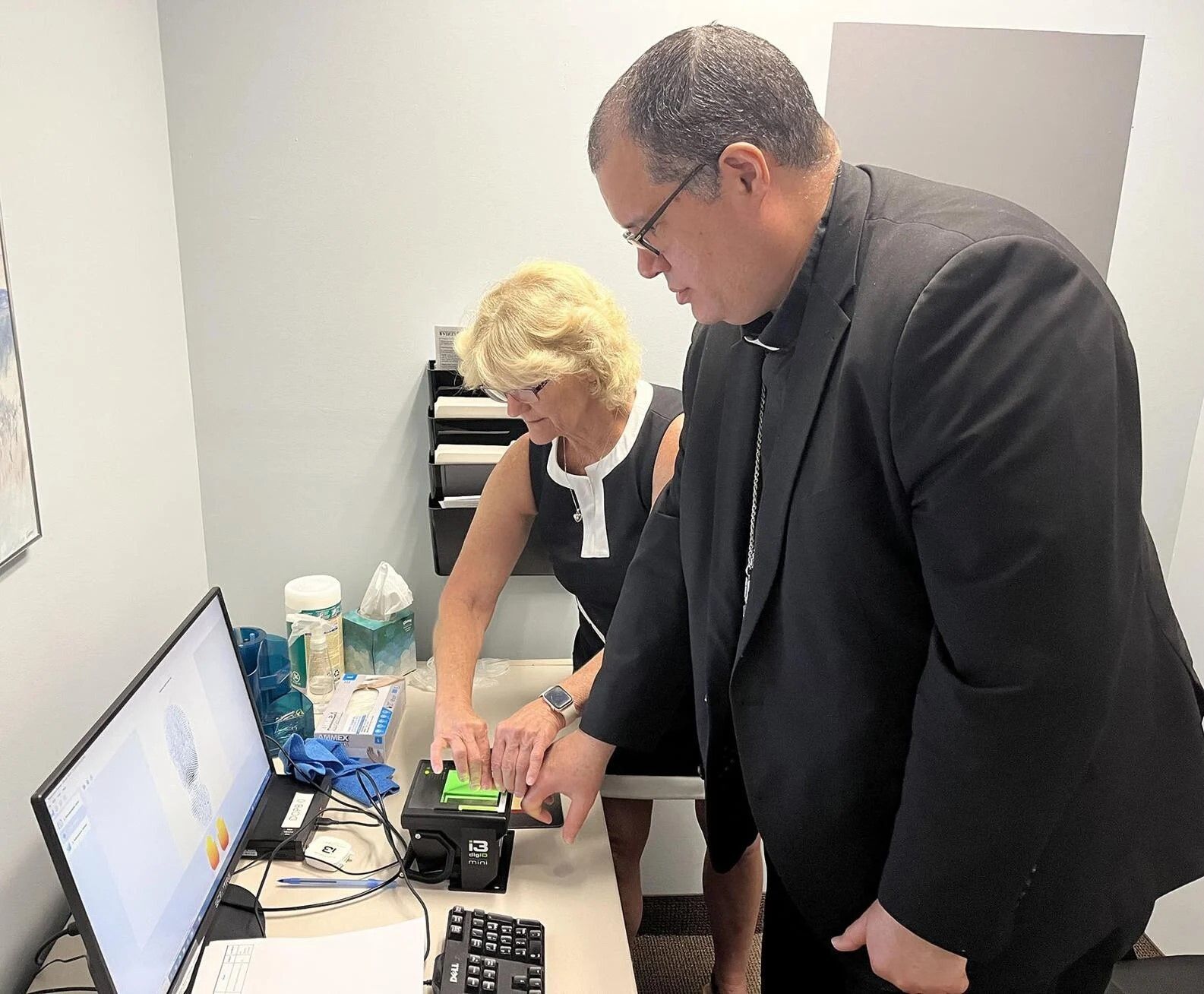
The mainstay of the diocese’s efforts to recognize and stop abuse are the compliance administrators in church entities throughout the diocese. Those people are the eyes and ears of the Safe Environments Office, keeping records current in regard to screening and training, and compliance with the diocesan code of conduct for employees and volunteers. The office periodically presents workshops to make sure all compliance administrators are up to speed on policies and prepared for audits.
Annual independent audits ensure that the office is following its policies and procedures. A particular focus is on background checks of employees and volunteers, how many children and adults have been trained to prevent abuse, continuing education programs, and information regularly shared through social media and parish bulletins.